Robin Hill is a study in reuse, restraint and rural clarity — a project that transforms an existing
building into a home finally in conversation with its landscape. The design centres on retaining and
reworking the extant structure to improve panoramic views, access to light and the overall flow of
the house. With a modest budget guiding every move, the project became an exercise in thoughtful,
resourceful design.
Drawing on Scandinavian minimalism and the quiet pragmatism of rural architecture, the palette is
grounded in Corten, galvanised steel and timber — materials that sit comfortably within the
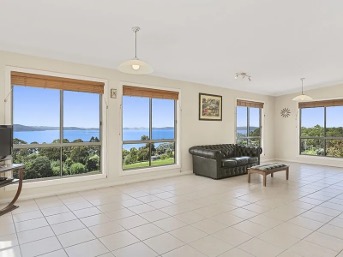
surrounding farmland. Although the site enjoys sweeping views across North West Bay and Bruny
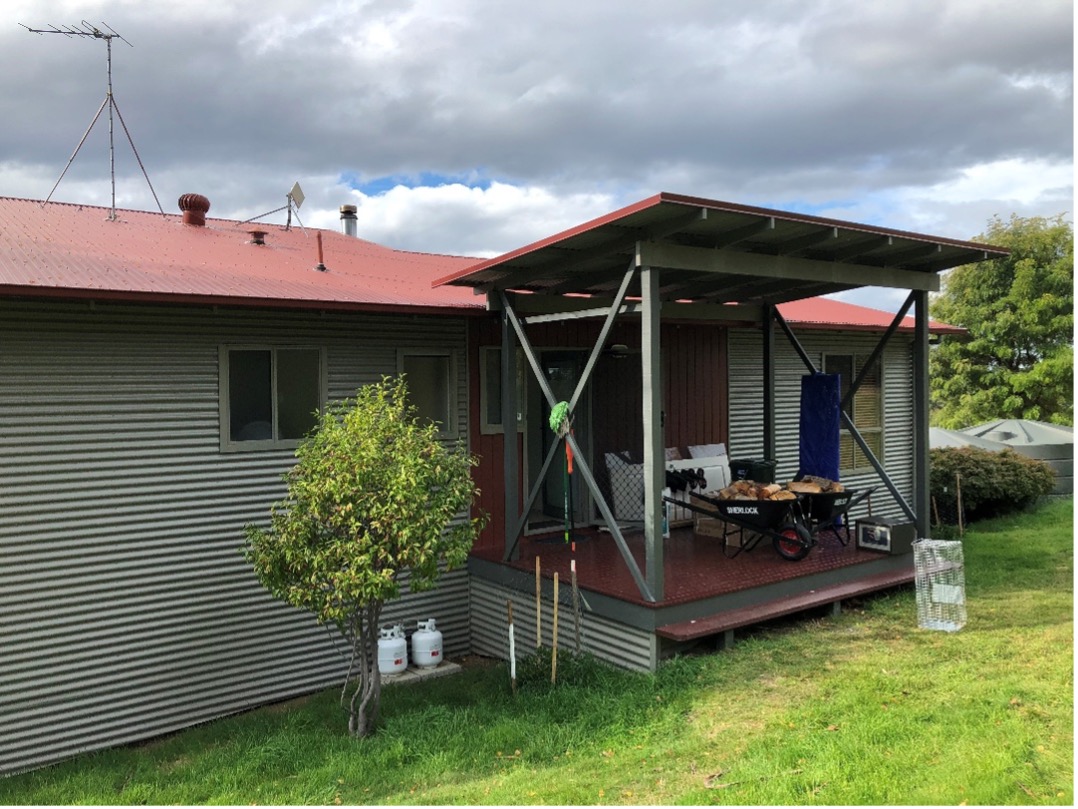
Island, the original corrugatediron house, with its small windows and limited openings, barely
acknowledged the landscape.
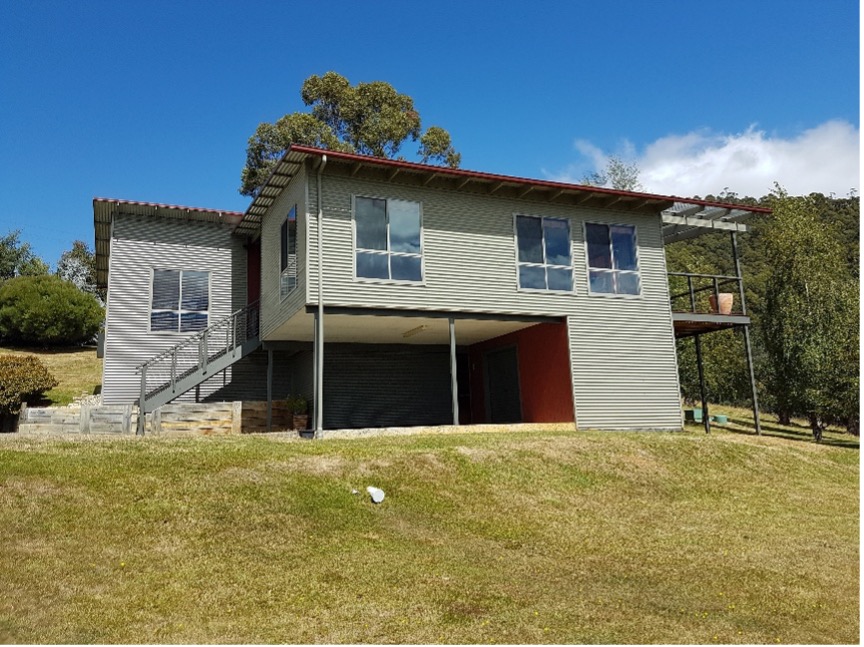
The brief called for a new sunroom and deck connected to the openplan kitchen, dining and living
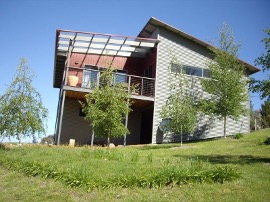
areas, along with a new bedroom, ensuite and deck. This evolved into a cantilevered extension with
a workshop tucked beneath it, allowing the home to step lightly into the terrain. Enlarged window
openings now frame the expansive outlook, and the existing roof was retained, with new eaves
introduced to clearly distinguish the upper and lower levels. Thickened walls created opportunities
for integrated joinery and window seats, adding depth, comfort and utility.
The sunroom is lined in warm plywood, creating a cocoon-like space that captures light throughout
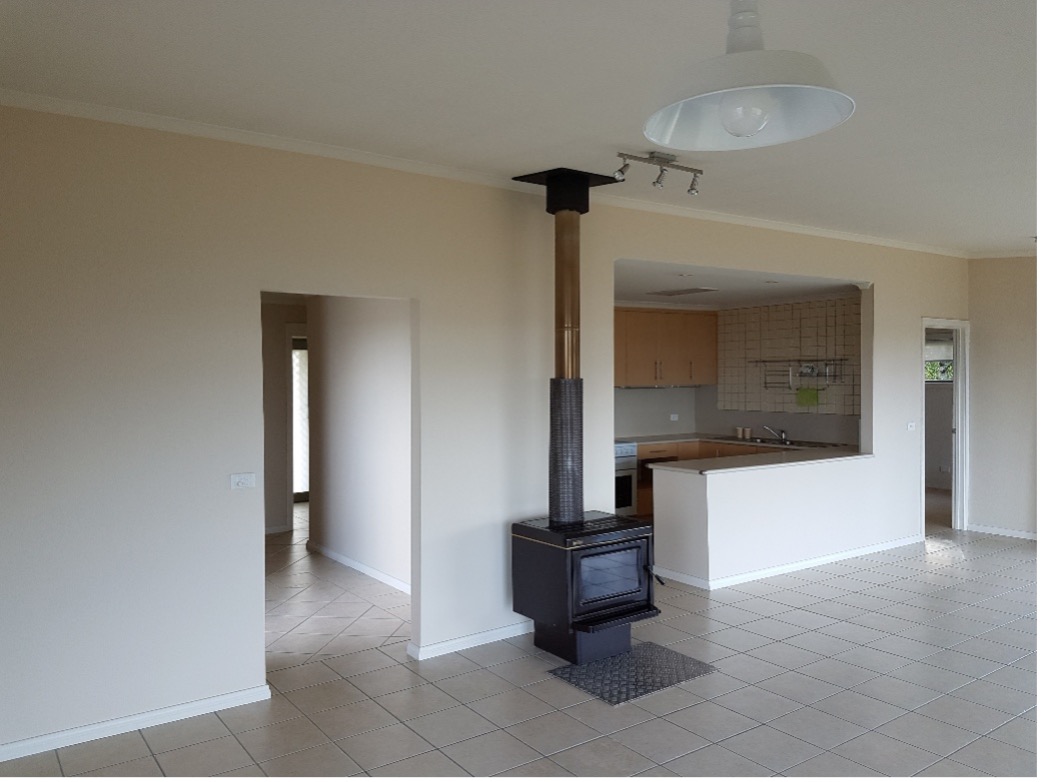
the day. Existing rooms retain their plasterboard linings to minimise waste, while new plywood
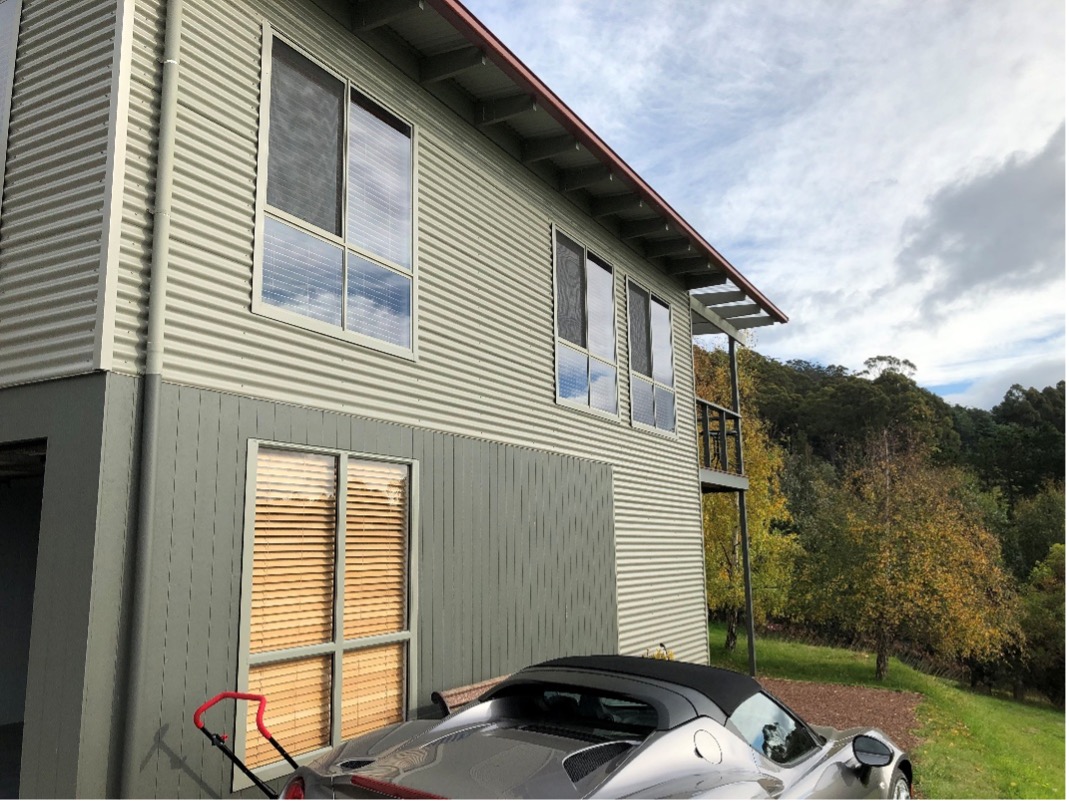
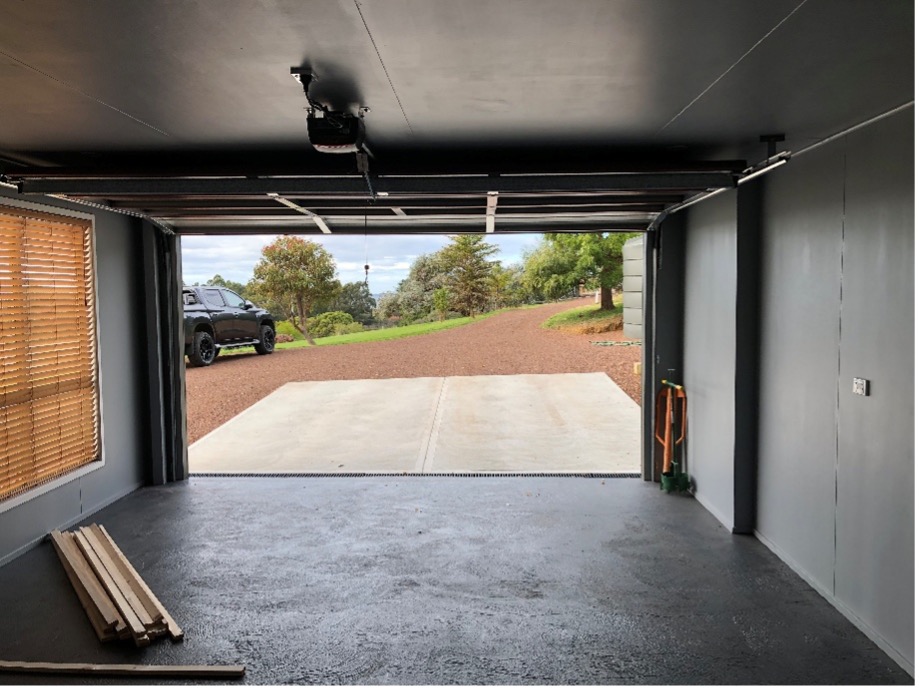
reveals and joinery tie the old and new spaces together. Below, the former garage and new
workshop are glazed to lighten the mass of the Cortenclad upper level. The garage now serves as a
showroom, and the workshop — lined in structural ply — becomes a bright, comfortable place to
work, oriented to the sun and views.
A new bedroom wing with ensuite extends from the rear, adding a muchneeded third bedroom. Its
form echoes the existing pitched roof and steps outward to capture views to the bay and Bruny
Island. Plylined walls and ceilings, along with a bespoke Tasmanian oak bed, bring warmth and
tactility to the space. In the ensuite, a skylight frames the skyscape, offering moments of quiet — a
place to rest, to watch clouds drift by during the day and stars gather at night.
Sustainability shaped the project from the outset. Only the sunroom, bedroom wing and workshop
are new additions; the remainder of the house remains largely intact. Existing cladding, windows and
the garage door were recycled, and timber and steel from demolished elements were reused
throughout. The result is a home that reads as a contemporary rural dwelling yet is predominantly
extant — a testament to the value of working with what already exists.